Living Labs are a core research method for the SWICE project. They allow us to test and validate our research in a real-life setting.
From whole neighborhoods to single buildings, the six SWICE Living Labs are very diverse in their focus, formats, and governance structures. Yet despite this diversity, establishing and running a successful Living Lab requires the application of a common methodology.
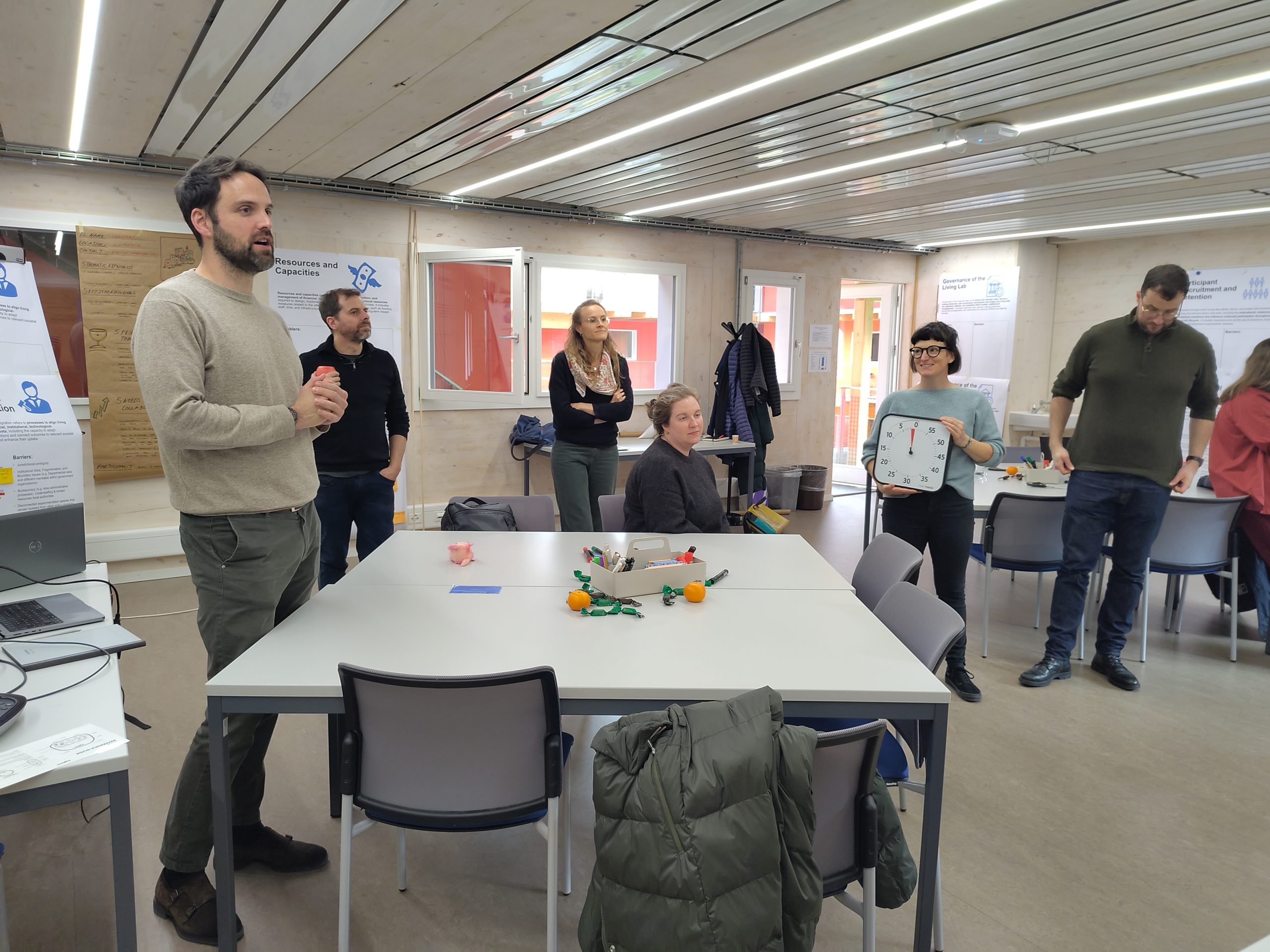
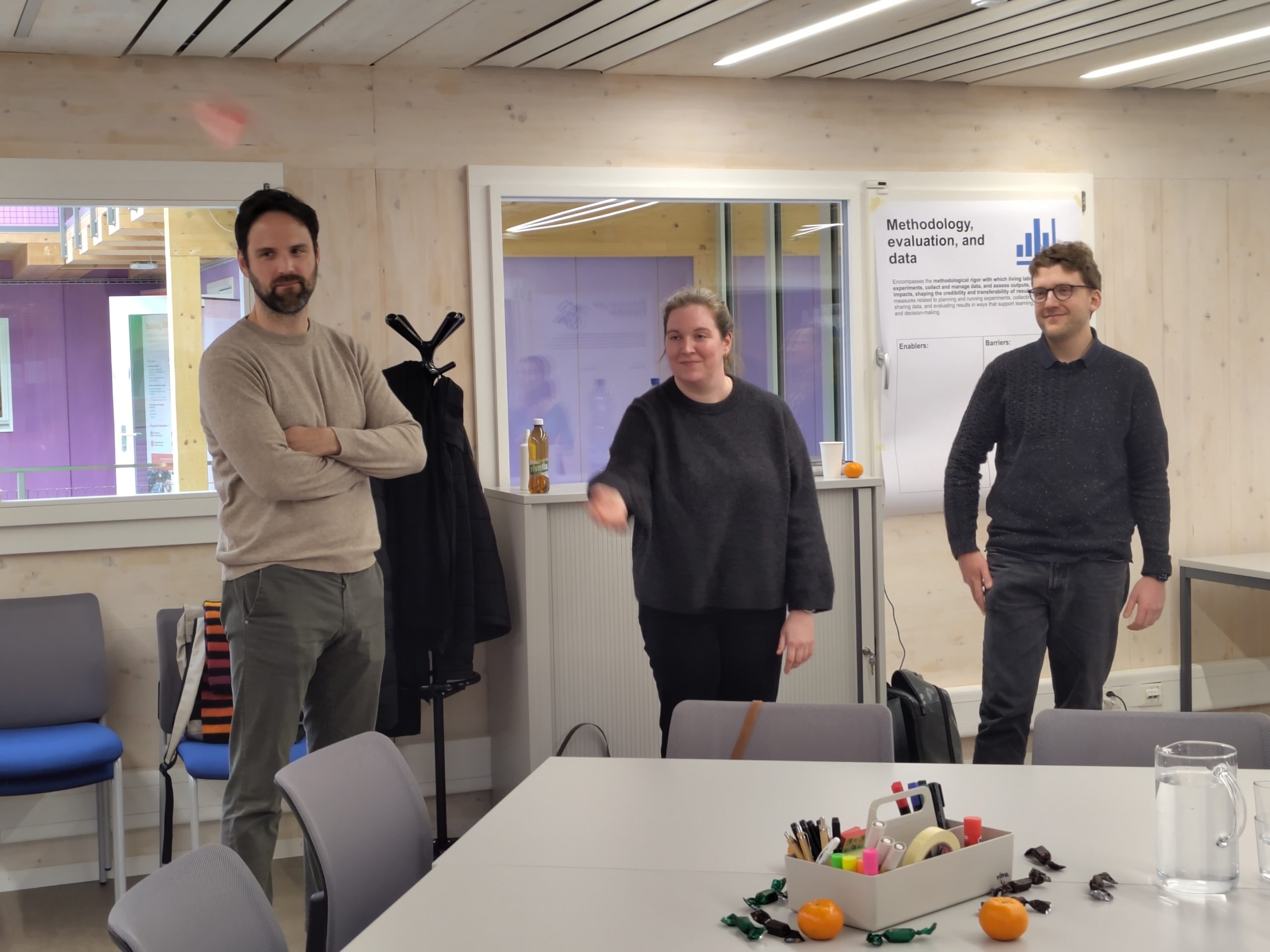
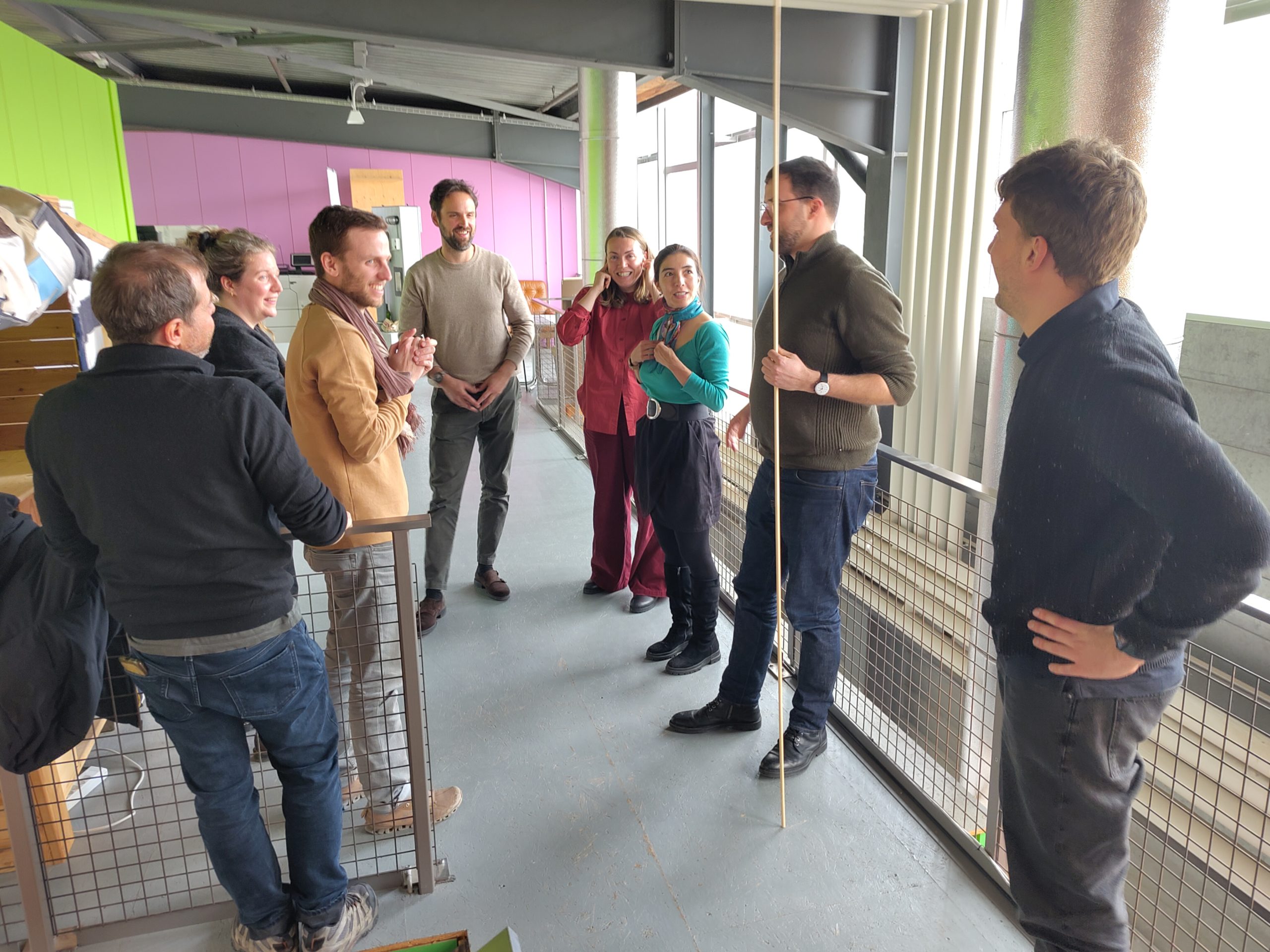
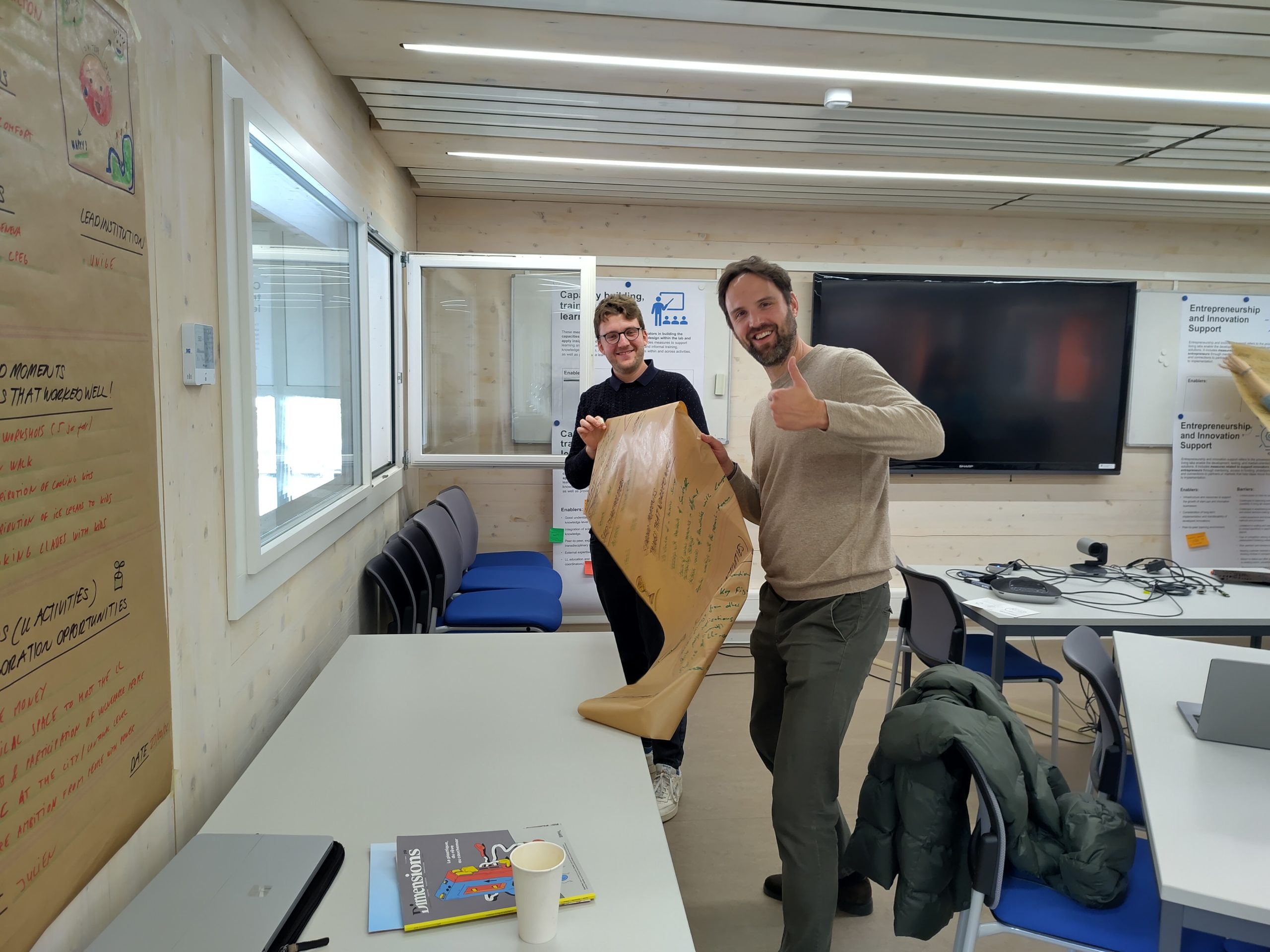
Last Monday, our Living Lab managers gathered in the Smart Living Lab in Fribourg for a full-day workshop, on the topic of barriers, enablers and good practices for Living Labs. It was organized by Violaine Coard and Anton Sentić of Work Package 8. This workshop was an opportunity for our researchers to share their experience and learn from one another.
Finding common ground
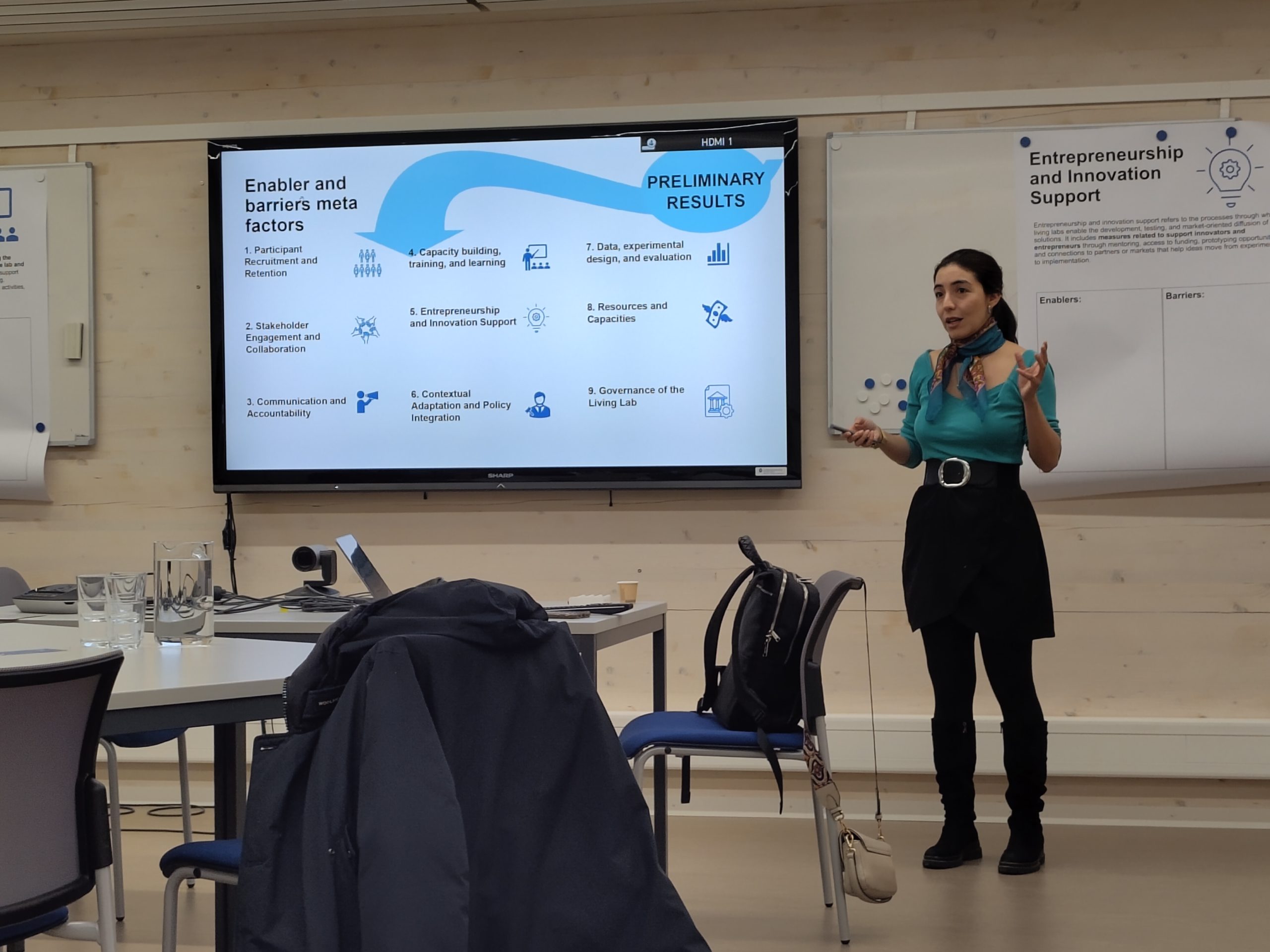
The day started with a short presentation, delivered by Paola Yanguas, on a theoretical framework for barriers and enablers in Living Labs, based on a literature review of over 100 academic articles related to the topic. This framework yielded 9 meta-factors, which encompass everything from participant recruitment and retention to governance of the Living Lab.
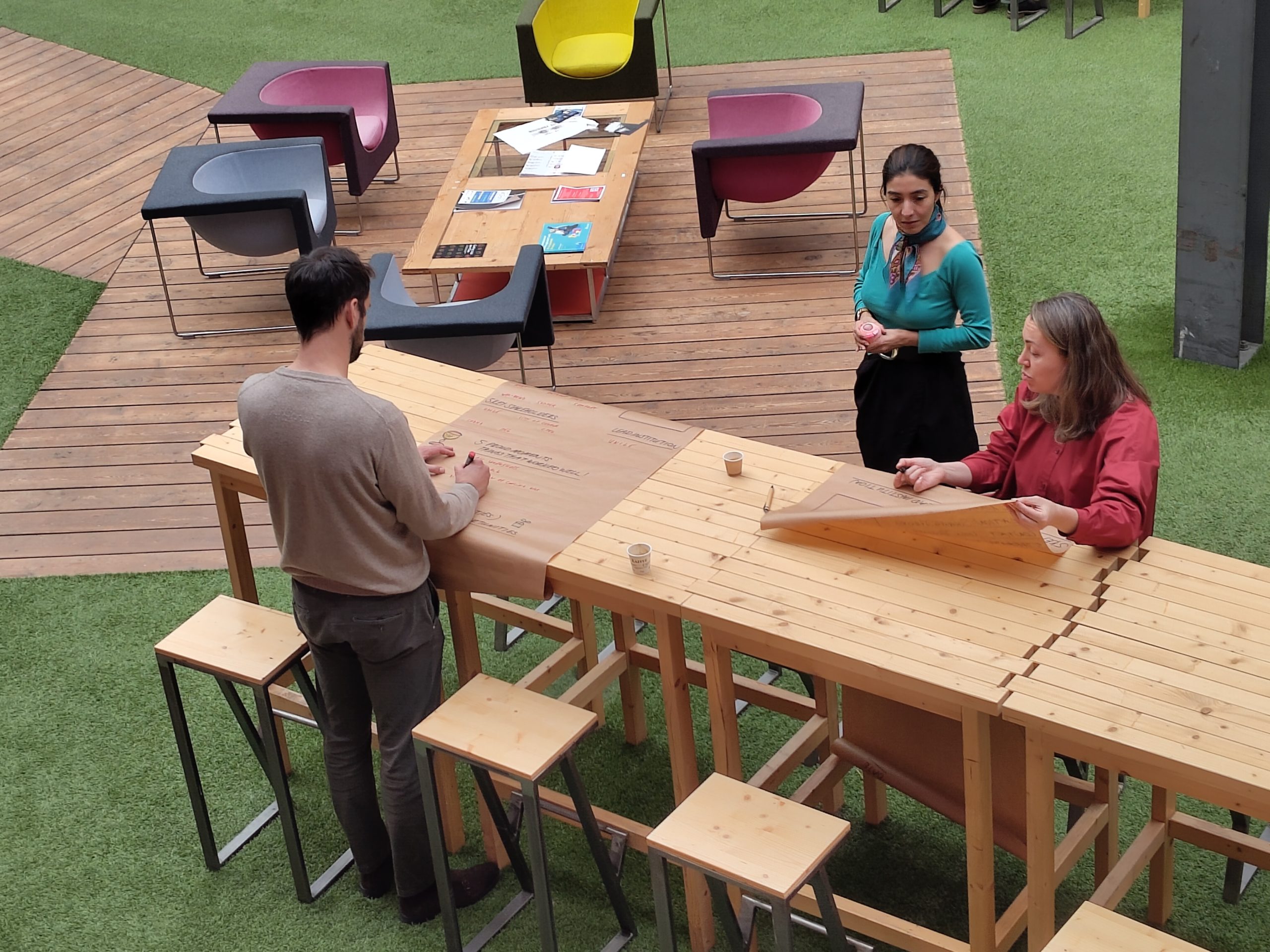
Afterwards, participants were provided some time to write down the barriers and enablers they have experienced in the setup and running of their Living Labs, and to categorize them under one of the 9 meta-factors. The exercise highlighted that many of the issues were the same across some or all of the Living Labs, and they overlapped significantly with observations from the literature review.
Some shared enablers included:
- Building on previously existing interest and motivation of LL participants.
- Clearly stating what the LL sets out to achieve, and how.
- Involving government officials and administration.
- Providing budget flexibility to enable reinvestment from improved practices.
- Finding added value for all stakeholders, especially non-academic ones (“what’s in it for me?”).
Some shared barriers included:
- Having a small number of LL users, or a lack of diversity.
- Aligning goals and expectations of different stakeholders.
- Sampling and measurement challenges.
Working together
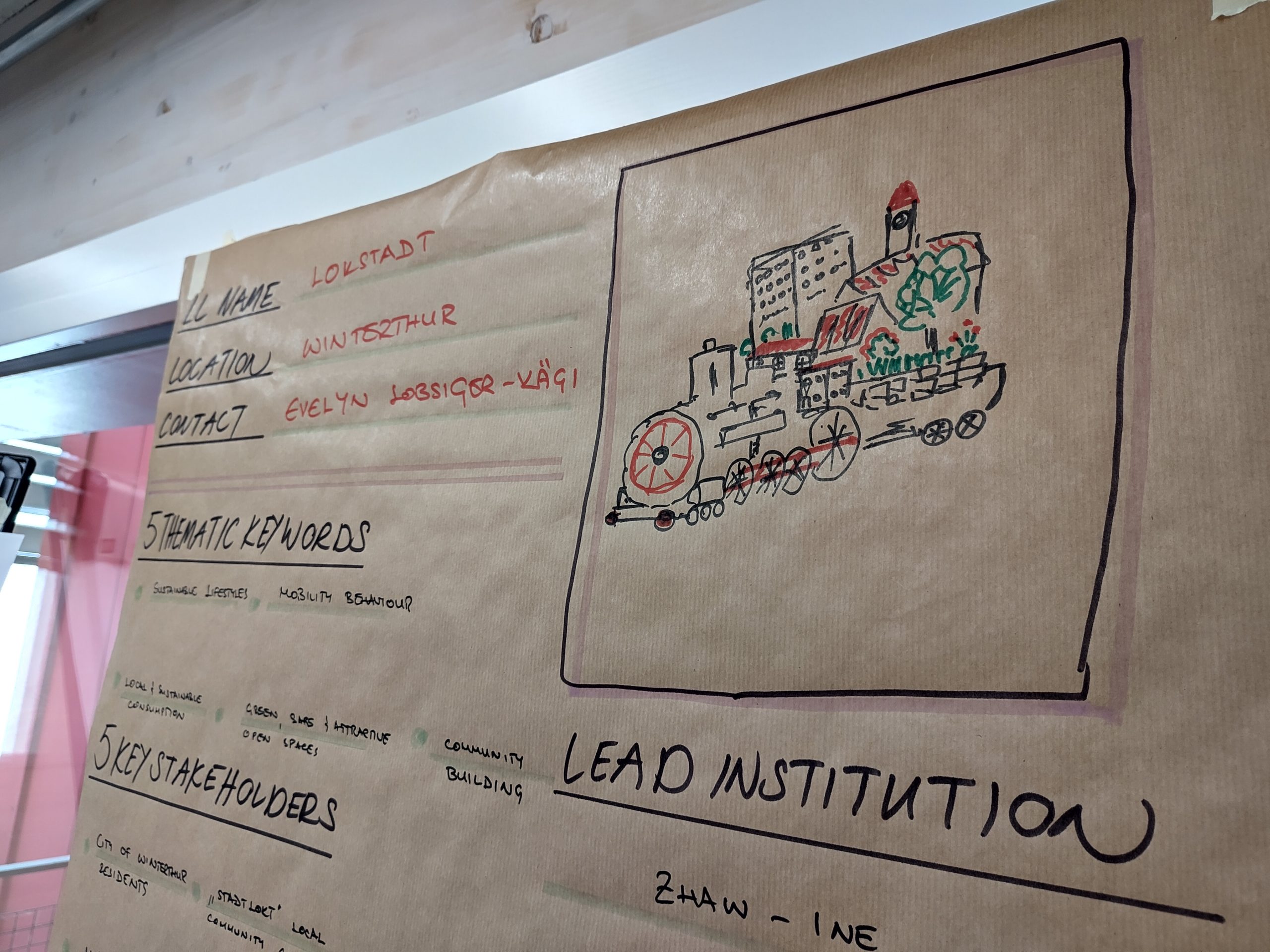
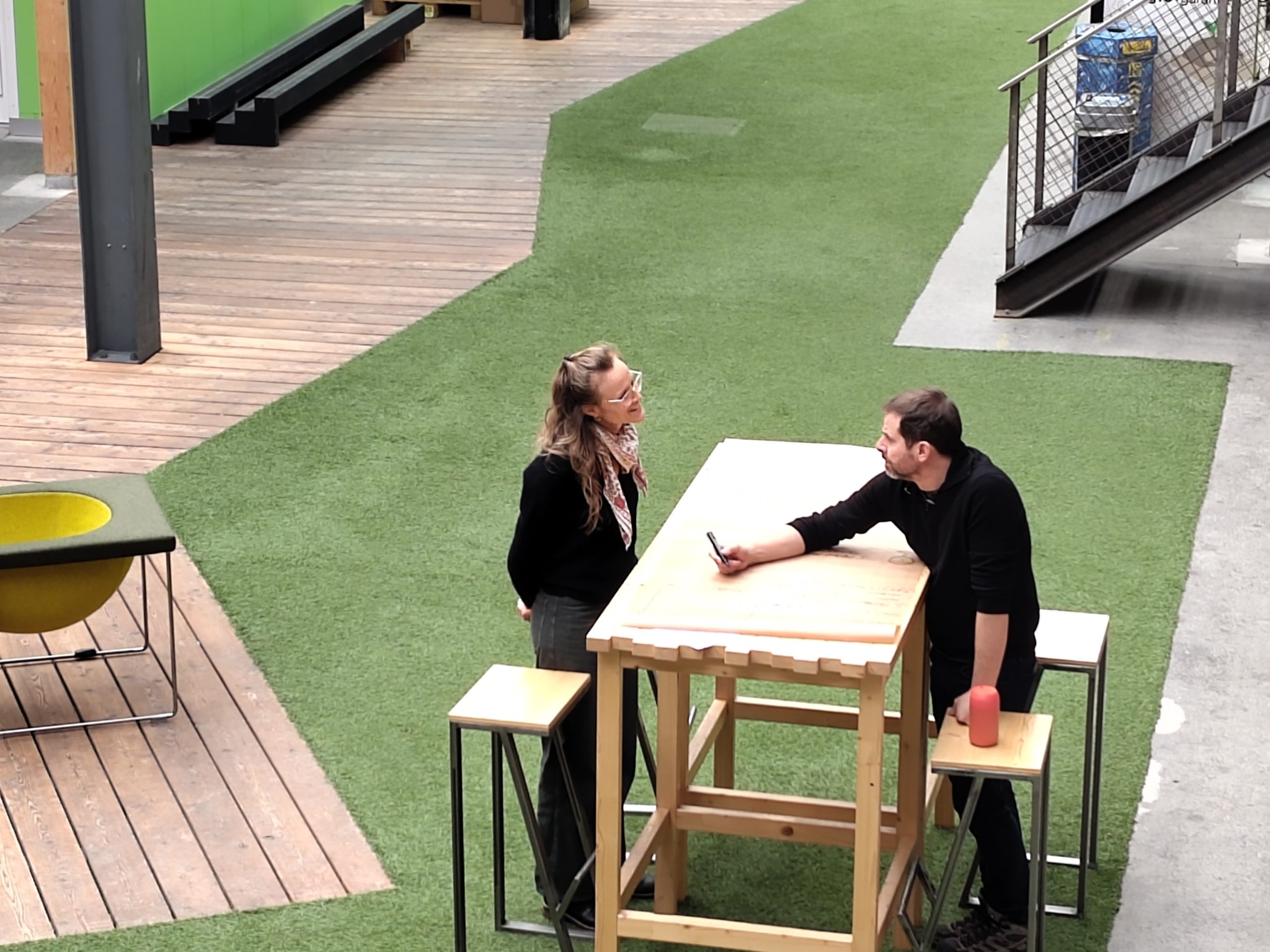
After lunch, the focus shifted to best practices and collaboration. Each LL manager was asked to list five proud moments and five needs or opportunities for collaboration for their Living Lab. They were also asked to illustrate their Living Lab, which yielded some surprisingly good drawings. Then participants shared their proud moments and needs with the group, which served to highlight best practices and lessons learned.
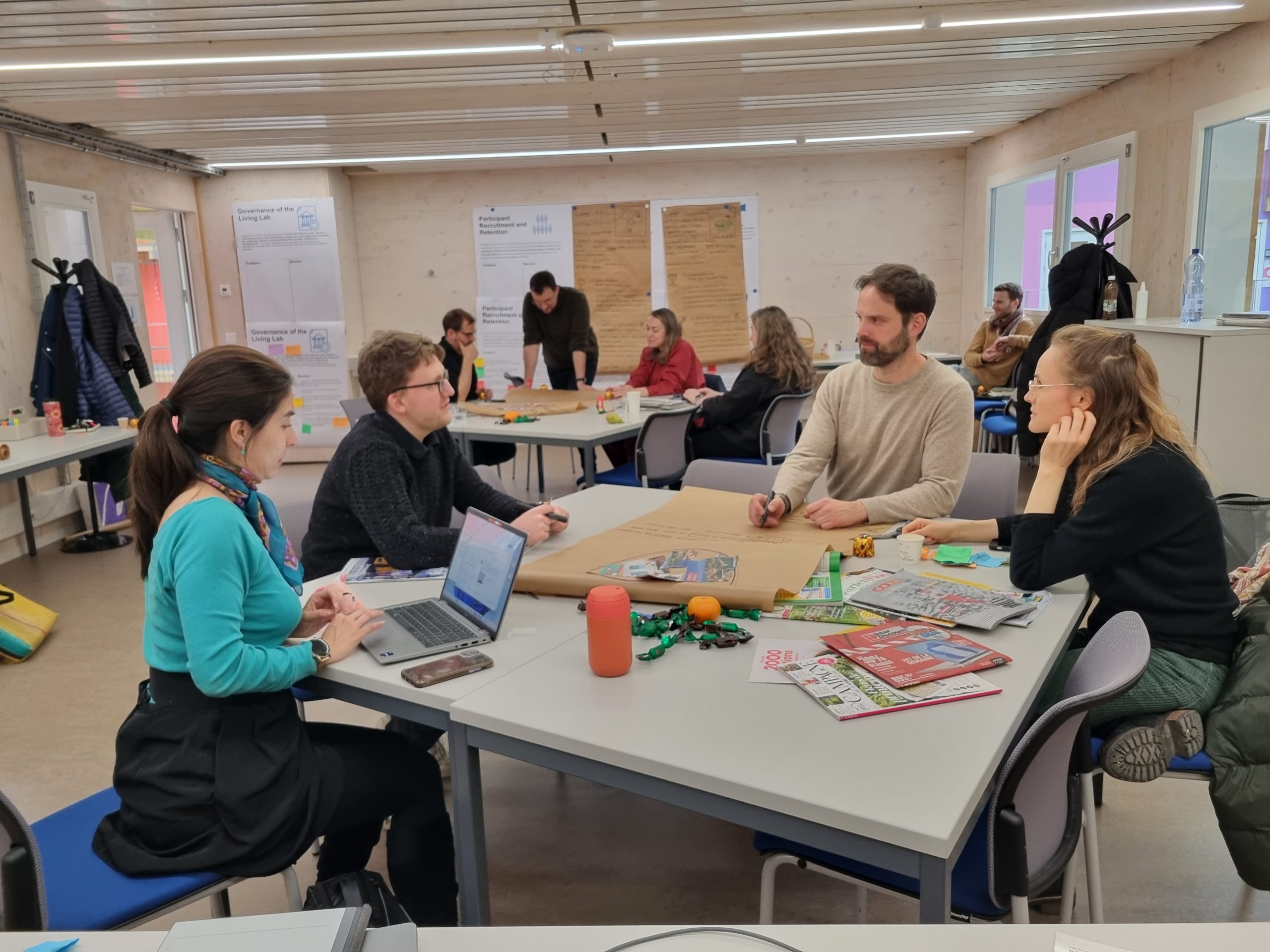
Once everyone was up to speed with the status of each Living Lab, participants were brought together for a final exercise in matchmaking and co‑creation. Participants worked in mixed groups to identify opportunities for mutual support, explore cross‑Living Lab interventions, and ideate on new forms of collaboration that could strengthen the network as a whole. Using collage as a creative medium, they mapped out potential synergies and sketched an action plan to embed their intentions.
This collaborative energy sets the stage for extending and enriching interventions across Living Labs, turning local insights into shared assets for the entire SWICE community. We look forward to seeing these new ideas take shape in the coming months!